How Customs Clearance Works in Lebanon: A Step-by-Step Roadmap
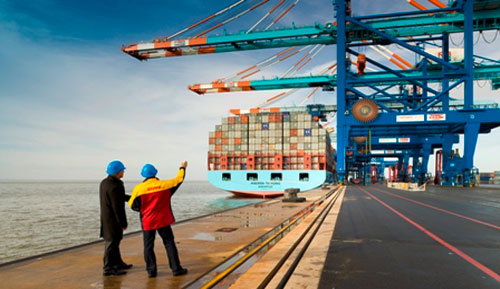
Navigating customs clearance in Lebanon can be a complex task without the right support. Whether you’re importing goods by sea, air, or land, understanding the process is essential for timely delivery and cost control. In this guide, we’ll walk you through how customs clearance works in Lebanon, highlight key steps involved, and explain why partnering with a reliable sea freight company in Lebanon, customs clearance company Lebanon, and providers of warehousing services in Lebanon can make all the difference.
Step-by-Step Customs Clearance in Lebanon
1. Pre-Arrival Documentation
Before your shipment arrives in Lebanon, essential documents must be prepared. These typically include:
- Commercial Invoice
- Packing List
- Bill of Lading (for sea freight) or Air Waybill
- Certificate of Origin
- Import License (if required)
Proper documentation ensures a smoother clearance process and reduces the risk of delays or penalties. A professional customs clearance company in Lebanon can help verify that all paperwork complies with Lebanese customs regulations.
2. Arrival and Manifest Submission
Once your cargo enters a Lebanese port or airport, the carrier must submit the cargo manifest to customs authorities. This declaration informs customs of what goods are arriving, their value, and other critical information required for assessment.
3. Customs Inspection & Assessment
After manifest submission, Lebanese customs assesses the shipment. This may involve:
- Classification of goods
- Valuation for duty calculation
- Physical inspection if flagged for review
Inspection helps verify that the shipment matches the declared items. Working with an experienced sea freight company Lebanon can facilitate communication between you and customs, especially if additional information is requested.
4. Duty & Tax Payment
Customs calculates the payable duties and taxes based on the declared value and classification of the goods. Imported goods may be subject to:
- Customs duties
- VAT
- Excise tax (for certain categories)
Timely payment is essential. Your customs broker or clearance partner can manage this on your behalf, ensuring accuracy and compliance.
5. Release & Delivery
Once duties are paid and inspections completed, customs will release your goods for delivery. At this stage, you can arrange pickup from the port or have them transported to your warehouse.This is where warehousing services in Lebanon become valuable. Secure storage solutions help keep your goods safe until distribution or further movement, especially if you’re coordinating deliveries across multiple locations.
Why Work with Experts?
Customs regulations are constantly evolving. Delays at the port can lead to demurrage charges, missed deadlines, and unnecessary costs. Partnering with a trusted sea freight company Lebanon and customs clearance company Lebanon ensures:
- Faster processing times
- Accurate documentation
- Efficient coordination with customs officials
- Access to warehousing services in Lebanon for flexible storage solutions
For reliable logistics and customs support in Lebanon, visit Middle Link: https://www.middlelink.me/ With professional guidance, your international shipments will move confidently and compliantly from arrival to delivery.